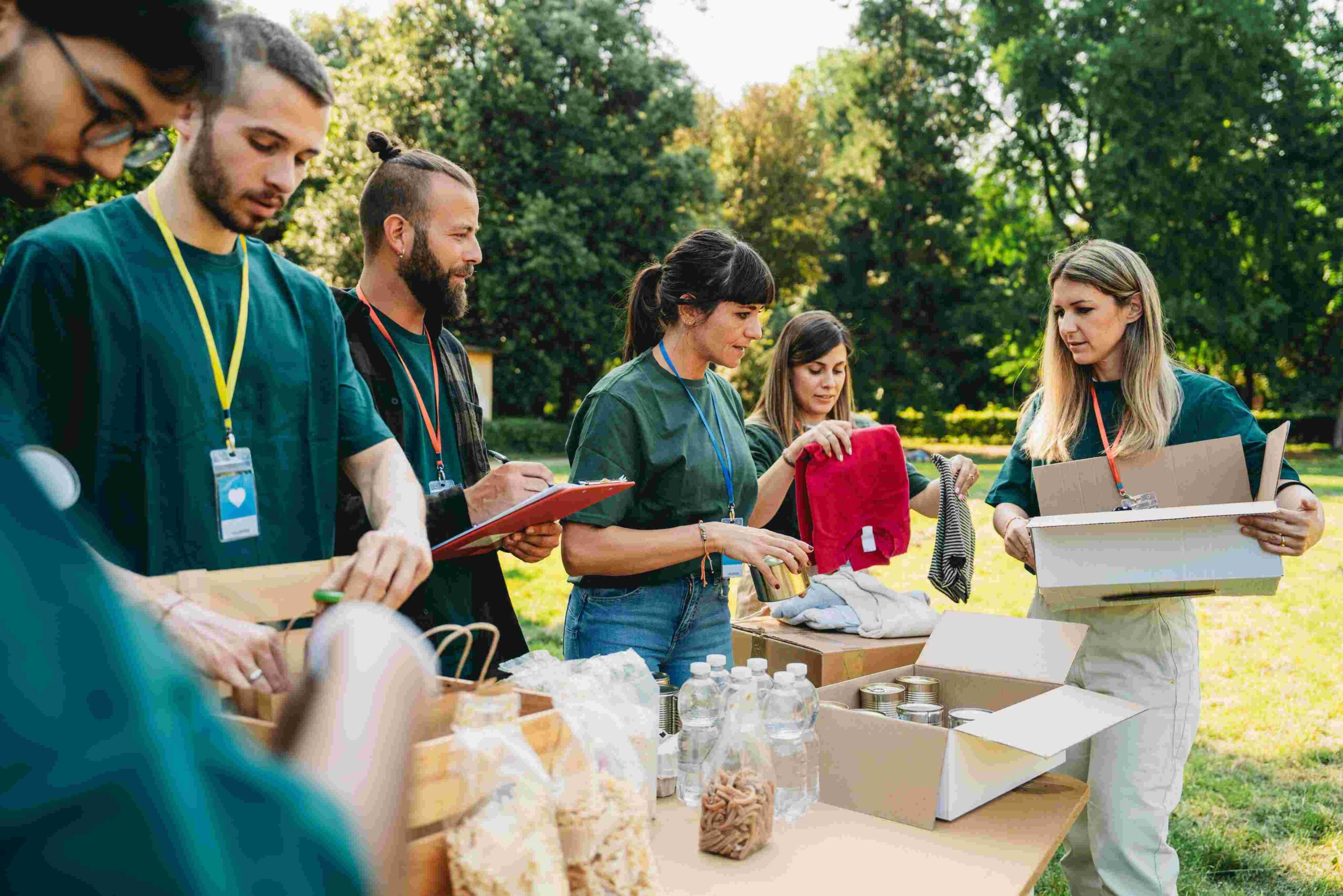
A happy, meaningful life often depends on more than personal success. Strong relationships, shared experiences, and a sense of belonging can also shape how people feel about their lives. When individuals connect with others and contribute to their communities, they may experience greater happiness, emotional balance, and personal fulfillment.
Community involvement offers valuable opportunities to build relationships, develop useful skills, and support meaningful causes. Whether someone volunteers at a local charity, joins a neighborhood project, or helps organize social events, active participation can create positive experiences. These activities also encourage cooperation, strengthen social connections, and promote mental wellness. As a result, community engagement can play an important role in improving overall life satisfaction.
Understanding the Connection Between Community Involvement and Happiness
Community involvement refers to taking part in activities that support local groups, organizations, or neighborhoods. These activities may include volunteering, attending community events, mentoring young people, or supporting local improvement projects.
Moreover, community participation can help individuals feel connected to something larger than themselves. When people contribute their time and energy to meaningful causes, they often experience a stronger sense of belonging.
This connection can improve life satisfaction by providing purpose, friendship, and emotional support. Therefore, participating in local activities may help people build a more balanced and rewarding lifestyle.
Building Meaningful Relationships Through Social Participation
Healthy relationships are essential for emotional well-being. Friends, neighbors, and supportive community members can encourage during difficult times and celebrate personal achievements.
Community involvement creates natural opportunities to meet people who share similar interests and values. For example, joining a local volunteer group can connect you with others who care about helping your neighborhood.
Additionally, regular interaction can improve communication skills and strengthen trust. People learn to cooperate, respect different perspectives, and work toward shared goals.
Over time, these experiences may develop into lasting friendships. As a result, social participation can reduce feelings of isolation and create a stronger support network.
Finding Personal Purpose Through Community Service
A sense of purpose helps people feel their actions matter. Without clear goals or meaningful activities, individuals may struggle to find motivation in their daily routines.
Fortunately, community service provides opportunities to make a positive difference. Helping at a food bank, supporting educational programs, or assisting elderly neighbors can create feelings of achievement.
These experiences also help people recognize their personal strengths. Someone who enjoys teaching may find fulfillment in mentoring, while another may find purpose in environmental projects.
Consequently, meaningful service can increase confidence and encourage a more positive outlook. When people see the value of their contributions, they may experience greater personal satisfaction.
Supporting Mental Health Through Active Community Engagement
Mental health influences how individuals think, feel, and respond to everyday challenges. Positive social experiences can support emotional wellness by encouraging connection and reducing loneliness.
Community involvement may provide a healthy break from daily stress. For instance, participating in neighborhood activities can shift attention toward shared goals and meaningful interactions.
Group activities also create opportunities for laughter, encouragement, and emotional support. These experiences can help individuals feel appreciated and understood.
However, community participation does not replace professional mental health treatment when someone needs medical or psychological care. Instead, it can support a healthy lifestyle.
Therefore, choosing enjoyable and manageable activities can help individuals maintain emotional balance while staying socially connected.
Developing Confidence and Personal Growth Through Participation
Personal growth often comes from learning new skills and facing unfamiliar situations. Community activities offer opportunities to explore interests, practice leadership, and strengthen problem-solving skills.
For example, organizing a neighborhood event may strengthen planning and communication skills. Similarly, helping with a fundraising campaign can improve teamwork and decision-making.
Moreover, successful participation can increase self-confidence. When individuals complete meaningful tasks, they often gain greater trust in their abilities.
These experiences may also encourage people to pursue new goals outside their volunteer activities. As a result, community involvement can support both personal development and long-term life satisfaction.
Reducing Loneliness Through Stronger Community Connections
Loneliness can affect emotional health and reduce overall happiness. People may experience isolation even when they live in busy neighborhoods or interact with others regularly.
Community engagement offers a practical way to build genuine connections. Local clubs, volunteer programs, and neighborhood gatherings let people interact in welcoming environments.
Furthermore, shared activities create common interests that make conversations easier. Working together on meaningful projects can help people develop trust and mutual respect.
As relationships grow, individuals may feel more comfortable seeking help or offering support. As a result, stronger community connections can increase feelings of security and belonging.
Encouraging Healthy Lifestyle Habits Through Group Activities
Community involvement can also support physical wellness. Many local programs encourage movement, outdoor activity, and regular participation in healthy routines.
For example, neighborhood walking groups, park cleanup projects, and community gardening programs provide opportunities to stay active.
Additionally, participating with others can increase motivation. People may find it easier to maintain healthy habits when friends and neighbors share similar goals.
These experiences can also reduce time spent in isolation and encourage greater awareness of personal well-being.
Therefore, community activities that combine social interaction with physical movement may contribute to a healthier and more satisfying lifestyle.
Strengthening Neighborhoods Through Shared Responsibility
Strong communities develop when residents work together to address common needs. Local participation encourages cooperation, trust, and shared responsibility.
For instance, residents may organize neighborhood improvement programs, support community education, or help families facing temporary challenges.
Moreover, these efforts can create a stronger sense of collective achievement. When people see positive changes in their surroundings, they may feel greater pride in their neighborhoods.
Community projects also encourage individuals to understand different experiences and perspectives. As a result, cooperation can strengthen social bonds while promoting respect and understanding.
By supporting shared goals, individuals contribute to environments where people feel connected and valued.