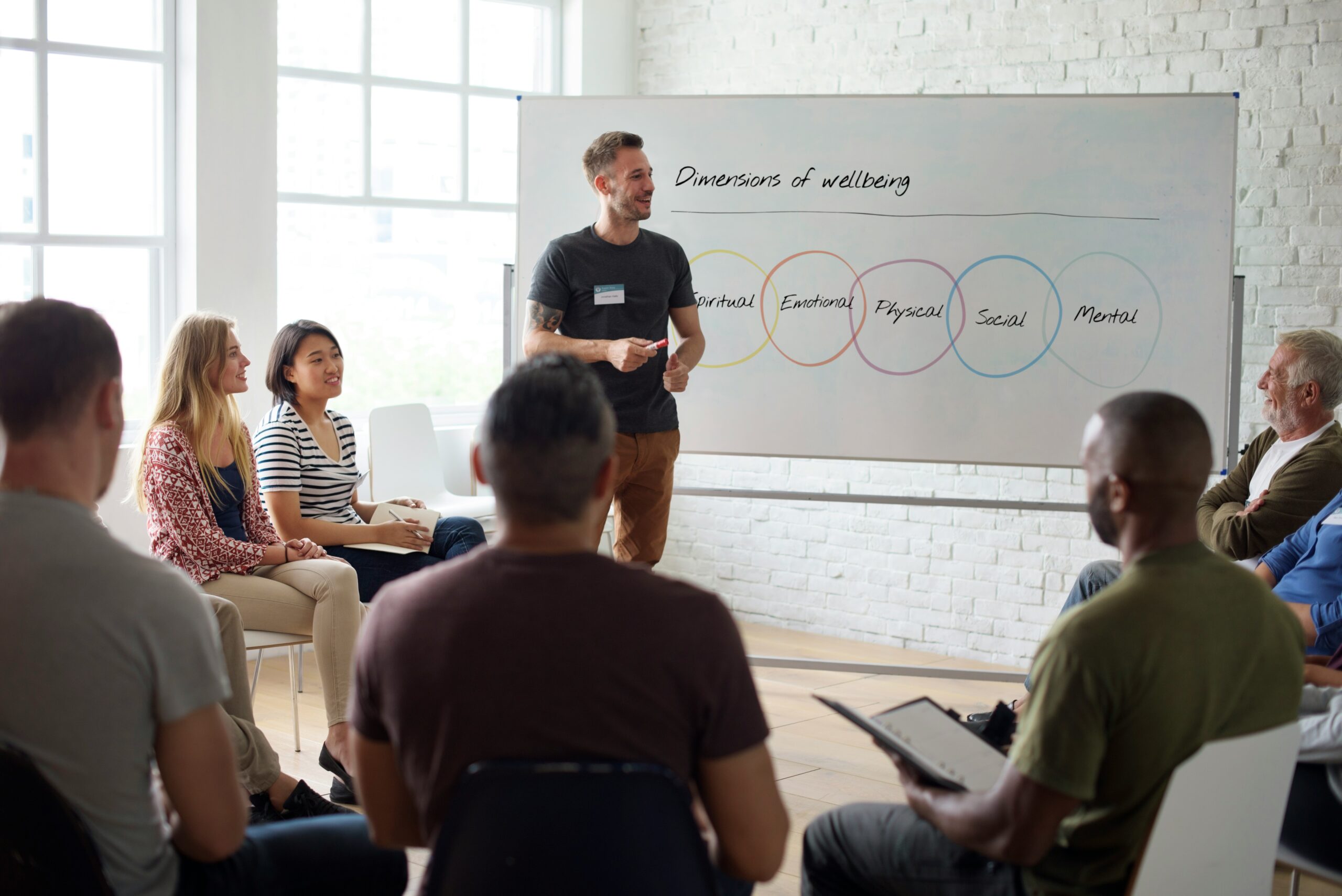
Community service gives people the opportunity to improve their communities while growing as individuals. Every volunteer project teaches valuable lessons that go far beyond completing a task. Whether someone mentors children, supports local charities, organizes neighborhood events, or helps protect the environment, each experience builds confidence and encourages responsibility. Community Service helps people understand that positive leadership begins with action and compassion. At the same time, volunteers develop practical skills that strengthen both their personal and professional lives. As individuals continue serving others, they inspire stronger communities and encourage a culture built on cooperation, kindness, and shared responsibility.
Learning Leadership Through Action
Leadership grows through experience instead of simple instruction. Community service gives volunteers opportunities to organize projects, coordinate teams, and solve real problems. These responsibilities encourage people to make thoughtful decisions while supporting others throughout the process.
Each volunteer experience builds confidence because individuals learn to manage challenges as they work toward meaningful goals. As they gain experience, they become more comfortable leading discussions, motivating others, and helping teams succeed. These practical lessons strengthen leadership in every area of life.
Building Strong Communication Skills
Effective leaders know how to communicate clearly and respectfully. Community service places volunteers in situations where they interact with people from different backgrounds, ages, and experiences. These conversations improve listening, speaking, and collaboration.
Strong communication also helps volunteers resolve misunderstandings before they become larger problems. Therefore, teams work more efficiently because everyone understands shared goals and responsibilities. Better communication creates stronger relationships and encourages lasting cooperation.
Developing Social Responsibility
Volunteering teaches people that every individual plays an important role in improving society. Through social responsibility, volunteers recognize that their actions influence the well-being of others. They begin to understand how small efforts can create meaningful changes within their neighborhoods.
This awareness often continues long after volunteer projects end. People become more thoughtful about supporting local organizations, protecting public spaces, and helping neighbors whenever possible. As a result, communities benefit from citizens who actively care about their shared future.
Encouraging Teamwork and Cooperation
Community service depends on teamwork because volunteers rarely work alone. Every successful project requires individuals to share ideas, support one another, and combine different strengths. Working together teaches respect and shows that cooperation often yields better results than individual effort.
Teamwork also prepares volunteers for future challenges in school, work, and family life. People learn how to appreciate different perspectives while focusing on common goals. These experiences strengthen relationships and create lasting partnerships.
Strengthening Problem Solving Abilities
Every community project presents unique situations that require creative thinking. Volunteers often identify challenges, discuss possible solutions, and adapt their plans as circumstances change. These experiences improve decision-making while encouraging flexibility.
Problem-solving also strengthens confidence because volunteers see the direct results of their efforts. Instead of avoiding challenges, they learn how to approach them calmly and work toward practical solutions. These skills remain valuable throughout life.
Inspiring Civic Engagement
Community service encourages people to remain involved in the places where they live. Through civic engagement, volunteers participate in neighborhood projects, local organizations, and public initiatives that improve everyday life. Active participation strengthens communities while giving residents a greater voice.
People who volunteer regularly often continue supporting important causes for many years. They recognize that positive change depends on consistent involvement rather than occasional effort. This commitment creates stronger neighborhoods and healthier communities.
Building Confidence and Character
Volunteering challenges people to step outside familiar routines and accept new responsibilities. As they complete meaningful tasks, they develop confidence in their abilities while discovering strengths they may not have recognized before. Every successful experience encourages continued growth.
Community service also shapes personal character by encouraging honesty, respect, patience, and compassion. Volunteers learn to value service above personal recognition because they focus on helping others achieve better outcomes. These qualities define effective leaders.
Creating Respect for Diversity
Communities include people with many different backgrounds and experiences. Community service allows volunteers to meet individuals whose lives may differ greatly from their own. These interactions encourage understanding while helping people appreciate different perspectives.
Greater respect for diversity creates stronger and more welcoming communities. Volunteers become more open-minded because they recognize that every person brings valuable ideas and experiences. Inclusive teamwork strengthens relationships while supporting lasting community success.
Supporting Local Organizations
Many nonprofit organizations depend on volunteers to continue serving residents. Community service provides valuable time, knowledge, and energy that allow these organizations to reach more families without increasing costs. Volunteers become an essential part of their daily operations.
Supporting local organizations also helps volunteers better understand community needs. They witness challenges firsthand while contributing practical solutions that improve education, health, environmental protection, and neighborhood development.
Preparing Future Leaders
Young people especially benefit from volunteer experiences because they learn leadership early in life. Community service introduces them to responsibility, accountability, and cooperation while giving them opportunities to make meaningful contributions. These lessons prepare them for future roles in school, careers, and public life.
Positive role models also strengthen leadership development. Experienced volunteers demonstrate integrity, dedication, and compassion through their actions. Young participants learn by observing these examples while building confidence in their own abilities.
Creating Stronger Communities
Communities grow stronger when people actively contribute rather than remain on the sidelines. Volunteers improve parks, support schools, organize local events, and strengthen nonprofit organizations. These improvements create neighborhoods where residents feel safer and more connected.
Stronger communities also encourage additional participation. When people witness successful volunteer efforts, they often decide to become involved themselves. This growing cycle of service creates lasting improvements that benefit everyone.