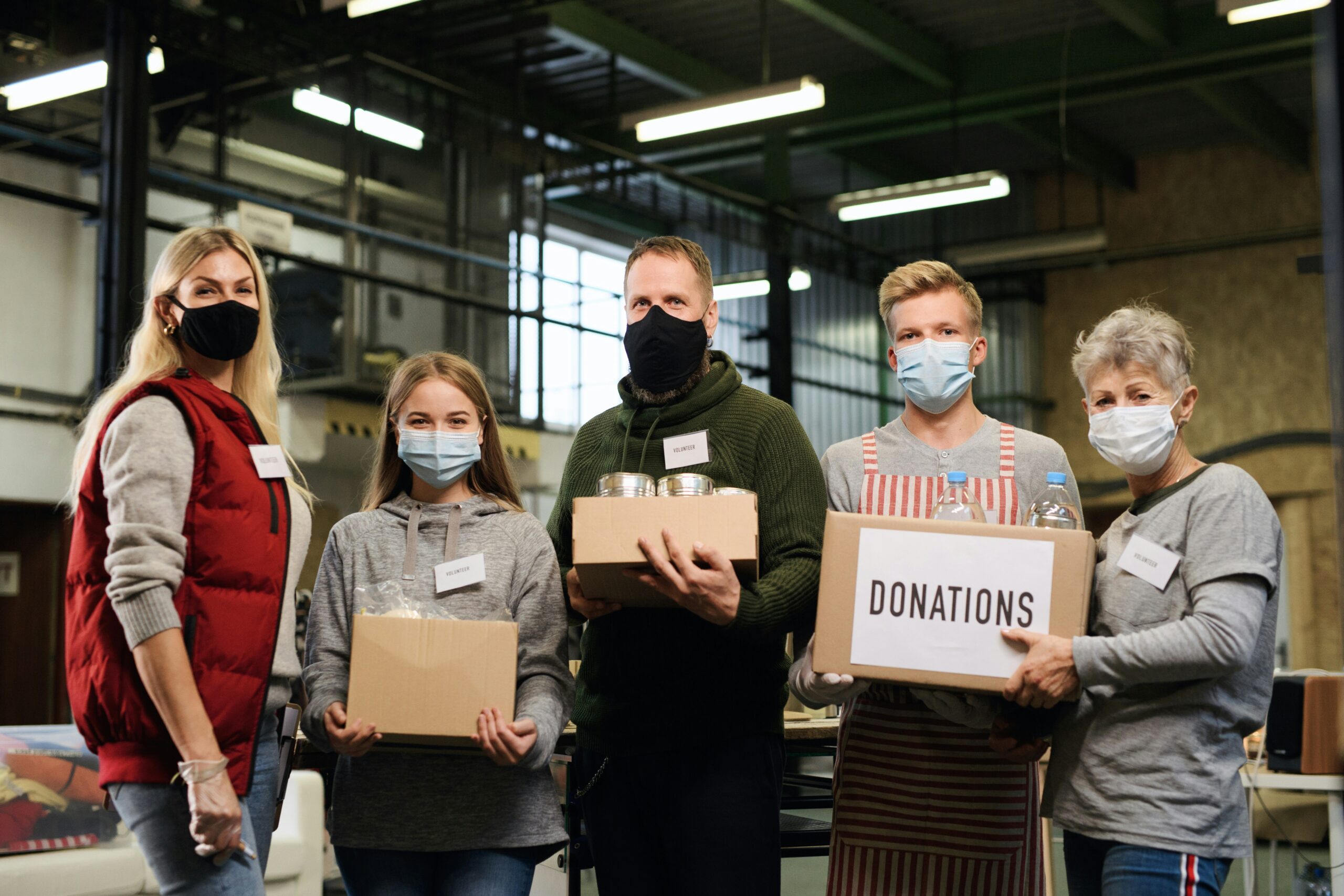
Community philanthropy creates lasting change because it encourages people to invest their time, skills, and resources where they live. Rather than relying solely on external support, neighborhoods build their own solutions by working together toward shared goals. As a result, local organizations, businesses, volunteers, and residents strengthen trust while addressing common challenges. This case study explores how community philanthropy becomes an everyday practice that improves lives through collaboration, leadership, and consistent local engagement.
Understanding Community Philanthropy as a Shared Practice
Community philanthropy goes beyond financial donations. It combines volunteer service, local leadership, shared knowledge, and community participation to create meaningful progress. Instead of waiting for outside organizations to solve problems, residents identify priorities and work together to develop practical solutions. Consequently, communities become more resilient because people feel responsible for their shared future.
This approach also builds stronger relationships among individuals and organizations. Schools, faith groups, local businesses, nonprofits, and civic leaders contribute in different ways while respecting each other’s strengths. As cooperation grows, trust increases, and new partnerships emerge that support long-term community development rather than temporary assistance.
A Case Study of Local Community Transformation
A mid-sized town faced several challenges, including limited youth programs, neglected public spaces, and declining volunteer participation. Instead of seeking only external funding, community leaders invited residents to join planning meetings and discuss shared concerns. Together, they created a community philanthropy initiative that encouraged every person to contribute according to their abilities.
Some residents donated money, while others volunteered their time or offered professional skills. Local businesses sponsored community events, schools organized student volunteer projects, and neighborhood groups coordinated cleanup efforts. Because everyone participated, the initiative quickly gained momentum and inspired greater community pride.
Building Partnerships That Last
Successful community philanthropy depends on strong partnerships. Therefore, local organizations established regular communication and shared responsibilities rather than working independently. This collaborative approach reduced duplicated efforts and allowed resources to reach more people who needed support.
At the same time, transparency strengthened public confidence. Community leaders openly shared project goals, budgets, and progress updates. As residents saw measurable improvements, they became more willing to volunteer and contribute financially. Trust continued to grow because people understood how their support created visible results.
Encouraging Leadership at Every Level
One of the most valuable outcomes of community philanthropy was the development of local leadership. Rather than relying on a small group of decision-makers, the initiative encouraged people from diverse backgrounds to participate in planning and project management. Consequently, new leaders emerged from every part of the community.
Young people also gained valuable leadership experience through volunteer opportunities and mentoring programs. Meanwhile, experienced professionals shared guidance while allowing future leaders to make meaningful decisions. This balance created confidence, encouraged innovation, and prepared the next generation to continue serving their community.
Measuring Success Beyond Financial Giving
The success of this initiative was not measured only by fundraising totals. Instead, leaders evaluated volunteer participation, stronger partnerships, improved public spaces, and increased community engagement. These indicators demonstrated that lasting social impact often extends beyond financial contributions.
Furthermore, residents reported a stronger sense of belonging and greater confidence in local organizations. Community events attracted larger audiences, volunteer numbers increased, and neighborhood projects expanded into new areas. Because people experienced positive change firsthand, they remained committed to supporting future initiatives.
Lessons for Other Communities
This case study offers valuable lessons for communities of every size. First, lasting change begins when residents actively participate in identifying challenges and creating solutions. While outside funding can provide important support, sustainable progress depends on community ownership and shared responsibility.
Second, collaboration remains essential throughout every stage of development. When organizations communicate openly, respect different perspectives, and focus on common goals, they achieve greater results together than they could individually. As a result, community philanthropy becomes a continuous practice instead of a single project.
Creating a Culture of Giving
Community philanthropy succeeds because it encourages generosity in many forms. Financial support remains valuable, yet volunteer service, mentoring, advocacy, and professional expertise all contribute to stronger communities. Therefore, every individual has an opportunity to make a meaningful difference regardless of personal resources.
Moreover, consistent participation fosters a culture in which helping others becomes a shared community value. Children grow up seeing neighbors support one another, businesses recognize their role in local development, and organizations continue building partnerships that strengthen the entire community. Over time, these habits establish a foundation for long-term growth and lasting social impact.
Community philanthropy as a practice demonstrates that meaningful change begins with local people working together for the common good. This case study shows that when residents, organizations, businesses, and community leaders combine their strengths, they create practical solutions that improve the quality of life while building trust and resilience.
Although financial contributions remain important, shared leadership, volunteerism, and collaboration ultimately produce stronger and more connected communities. By embracing community philanthropy as an ongoing practice, neighborhoods can continue creating positive change that benefits both current residents and future generations.