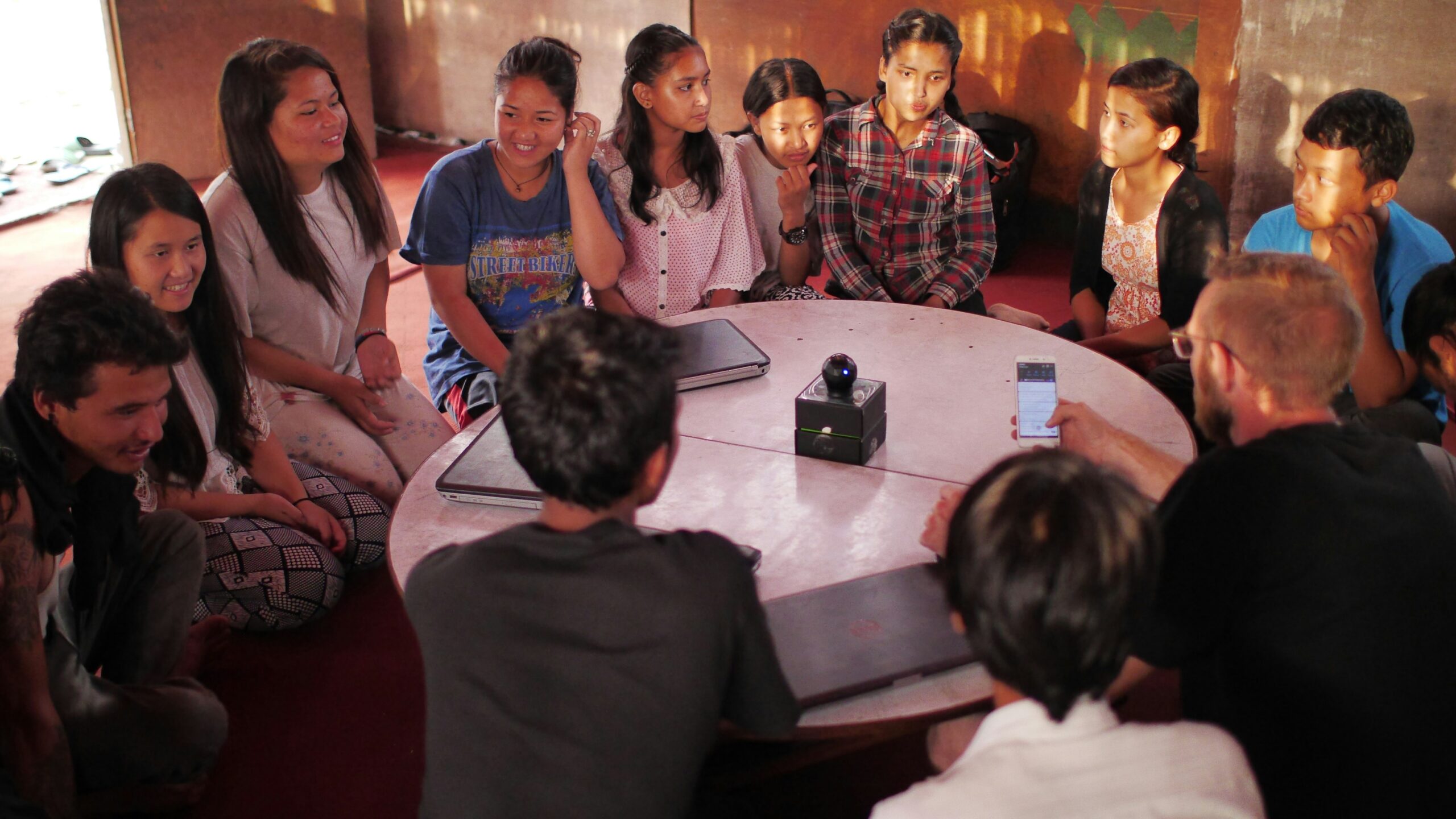
Community engagement and volunteerism are powerful forces that strengthen neighborhoods, cities, and towns across the United States. When individuals actively participate in local initiatives, they contribute to a shared sense of purpose and responsibility. These collective efforts create communities that are more connected, responsive, and resilient.
In an era where digital interactions often replace face-to-face communication, volunteering offers meaningful opportunities to reconnect with others. By investing time and energy into local causes, people build trust, foster unity, and help address pressing social challenges. Community engagement and volunteerism serve as cornerstones of a healthy and inclusive society.
The Meaning Behind Community Engagement and Volunteerism
Community engagement involves collaboration between residents, organizations, and local leaders to improve the quality of life. It centers on participation, dialogue, and shared decision-making. Volunteerism complements this process by encouraging individuals to contribute their time, skills, and resources without financial reward.
Together, these practices empower communities to take ownership of their future. Whether organizing neighborhood events, supporting local charities, or participating in civic discussions, engaged residents help shape environments that reflect their collective values. This active involvement builds confidence and reinforces the idea that everyone has a role in community progress.
Fostering Trust and Cooperation
Trust is essential for any thriving community, and volunteerism plays a key role in building it. When people come together to work toward common goals, they develop relationships rooted in cooperation and understanding. These bonds create a supportive atmosphere where neighbors feel comfortable sharing ideas and concerns.
Cooperation extends beyond individual projects. Community members who collaborate during volunteer activities often continue to support one another in other aspects of life. This interconnectedness strengthens social networks and contributes to a sense of security. Over time, trust becomes a defining feature of the community’s identity.
Driving Positive Social Change
Community engagement provides a platform for addressing social issues at the local level. Volunteers frequently support initiatives related to education, public health, environmental sustainability, and social justice. Their efforts amplify awareness and mobilize resources to tackle challenges that might otherwise go unnoticed.
Active participation also encourages innovation. When diverse voices contribute ideas and perspectives, communities develop creative solutions to complex problems. This inclusive approach ensures that strategies are more equitable and reflective of real needs. As a result, volunteer-driven initiatives often produce lasting and meaningful change.
Strengthening Local Economies
Volunteerism can indirectly support economic growth. Community events, revitalization projects, and nonprofit programs attract visitors, improve infrastructure, and enhance neighborhoods’ overall appeal. These improvements create environments where businesses are more likely to invest and grow.
Engaged residents also promote local spending and entrepreneurship. By supporting small businesses and participating in community markets, volunteers contribute to economic stability. Their involvement fosters pride in local resources and encourages sustainable development that benefits everyone.
Encouraging Lifelong Learning
Volunteering provides valuable learning experiences for individuals of all ages. Participants often acquire new skills, such as leadership, communication, and project management. These experiences enhance personal development and can even open doors to career opportunities.
Lifelong learning through service extends beyond technical skills. Volunteers gain insight into different cultures, perspectives, and social issues. This exposure broadens understanding and deepens empathy. Continuous learning strengthens communities by cultivating informed and compassionate citizens.
Empowering Youth and Future Leaders
Youth engagement in volunteerism lays the foundation for responsible adulthood. When young people participate in service projects, they develop a sense of accountability and civic awareness. Schools and community organizations frequently create programs that guide students in hands-on initiatives.
These experiences help young volunteers build confidence and teamwork skills. They also learn the value of collaboration and respect for diverse viewpoints. Early exposure to community engagement increases the likelihood that youth will remain active participants in civic life as adults.
Promoting Inclusion and Diversity
Inclusive volunteer efforts ensure that all voices are represented in community decisions. When people from various backgrounds come together, they share experiences that broaden collective understanding. This exchange promotes respect and reduces social barriers.
Organizations that prioritize diversity create welcoming spaces for participation. Accessible programs and culturally sensitive outreach encourage broader involvement. As inclusivity grows, community initiatives become more effective and reflective of the population’s unique needs.
Enhancing Mental and Emotional Well-Being
Volunteerism benefits not only communities but also individual well-being. Acts of service often lead to feelings of fulfillment and purpose. Helping others can reduce stress and foster a positive outlook on life.
Engagement in meaningful activities also combats loneliness. By forming connections through shared service, individuals strengthen their social support networks. These relationships contribute to improved mental health and overall life satisfaction.
Overcoming Barriers to Participation
Despite the advantages of community engagement, obstacles can limit involvement. Time constraints, lack of information, and transportation challenges may discourage participation. Some individuals may feel uncertain about how their skills can contribute to meaningful change.
Communities can address these barriers by offering flexible opportunities and clear communication. Virtual volunteering options, varied time commitments, and outreach campaigns help make service accessible to more people. By simplifying the path to involvement, organizations can expand participation and strengthen collective impact.
Cultivating a Lasting Commitment to Service
Building a sustainable culture of volunteerism requires consistent encouragement and recognition. Celebrating achievements and sharing success stories inspires continued participation. When communities acknowledge volunteers’ contributions, they reinforce the value of service.
Long-term commitment also grows from collaboration among local institutions. Partnerships between schools, businesses, and nonprofit organizations create a unified approach to engagement. As service becomes embedded in daily life, community engagement and volunteerism transform from occasional efforts into enduring traditions that shape stronger, more connected American communities.