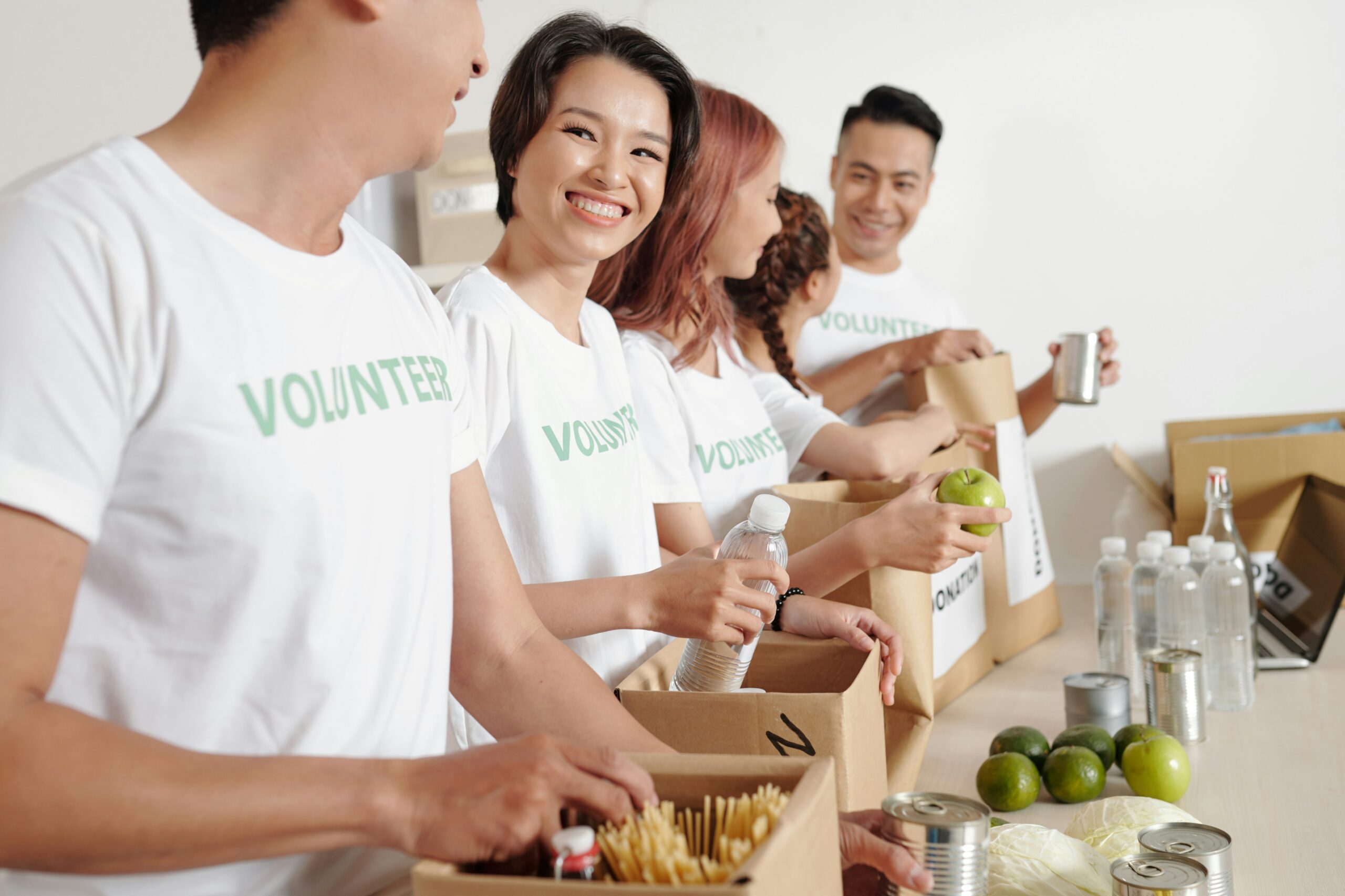
People often think of volunteering as a generous way to support their community, but the effects reach much deeper. Volunteering reduces stress in powerful ways that influence emotional balance, physical health, and overall wellness. When individuals choose to help others, they also create meaningful changes in their own lives. The act of giving back encourages positive routines, deeper connections, and a stronger sense of purpose. These benefits work together to support healthy living and create a more fulfilling lifestyle.
Healthy living begins with choices that nurture both mind and body. Volunteering brings these elements together through meaningful action. When people take part in service activities, they shift their focus toward compassion, cooperation, and growth. This shift reduces negative thoughts and encourages a calmer and more centered mindset. Because volunteering naturally reduces stress, it becomes a helpful and uplifting part of a balanced life.
How Helping Others Creates Calm and Reduces Daily Stress
When individuals feel overwhelmed, their thoughts often become scattered and tense. Volunteering reduces stress by directing attention away from personal worries and toward meaningful tasks. This mental shift creates a sense of relief and clarity. As volunteers focus on helping others, they experience emotional release that lightens their mood and softens stress reactions.
Additionally, the body responds positively to acts of kindness. The brain releases chemicals that promote feelings of happiness and relaxation. These natural responses lower stress levels and help individuals feel more at ease. Over time, volunteers begin to experience a calmer and more stable emotional state. Because of this steady improvement, volunteering supports healthy living in a deeply encouraging way.
Why Social Connections Through Volunteering Improve Well-Being
Strong social relationships play an essential role in mental and physical health. Volunteering creates opportunities to meet new people and form meaningful connections. These relationships offer comfort, encouragement, and understanding. When individuals feel supported, they experience less stress and stronger emotional stability.
Community involvement also reduces loneliness. Many people struggle with feelings of isolation, which can intensify stress. Volunteering brings people together through shared goals and positive interactions. Because volunteers work as part of a team, they create bonds that support long-term well-being. These social connections strengthen confidence and build a sense of belonging. As a result, volunteering reduces stress and promotes healthy living in an uplifting, sustainable way.
How Volunteering Builds a Healthier Daily Routine
Healthy living thrives on consistency, and volunteering helps individuals build positive routines. When people commit to service activities, they create structure in their schedules. This structure encourages balance and reduces the chaos that often contributes to stress. A stable routine helps individuals feel more in control of their time and responsibilities.
Additionally, volunteering encourages physical movement and mental engagement. These activities support overall wellness and help maintain energy throughout the day. Volunteers often experience better sleep, improved focus, and increased motivation. As their routines improve, their stress levels decrease. With greater stability and purpose, individuals discover that volunteering reduces stress through simple, meaningful habits.
How Purpose and Fulfillment Support Healthy Living
A strong sense of purpose positively influences emotional and physical health. Volunteering gives individuals a clear reason to stay engaged and connected. When people feel their actions matter, they experience deeper fulfillment and motivation. This motivation encourages healthier choices and creates a more meaningful lifestyle.
Purpose-driven living helps individuals navigate challenges more easily. They feel more confident and resilient because they understand the value of their contributions. This sense of purpose reduces stress by providing direction during uncertain moments. As volunteers continue supporting their communities, they build emotional strength that supports healthy living every day.
How Physical Activity During Volunteering Boosts Wellness
Many volunteer activities involve natural movement, which supports physical health. People often walk, clean, sort, carry, or participate in outdoor events. These activities increase circulation, improve muscle strength, and boost energy levels. Because the movement happens during meaningful tasks, individuals experience physical benefits without the pressure of traditional workouts.
Regular physical activity lowers stress by balancing hormones and reducing tension in the body. Volunteers often feel more energized and refreshed after participating in service activities. This boost in physical wellness supports mental clarity and emotional balance. As a result, volunteering reduces stress while promoting a more active and healthy lifestyle.
Why Emotional Growth Through Volunteering Strengthens Well-Being
Volunteering encourages emotional growth through compassion, patience, and self-awareness. When individuals serve others, they develop a deeper understanding of their own feelings and responses. This awareness helps them manage stress more effectively and respond to challenges with greater calm.
Emotional growth also builds resilience. Volunteers learn to adapt, communicate, and solve problems positively. These skills support mental stability and strengthen personal confidence. As individuals grow emotionally, they feel more grounded and balanced. This emotional strength highlights how volunteering reduces stress and supports healthy living throughout life.
How Volunteering Encourages Positive Thinking and Gratitude
Positive thinking plays a major role in mental health. Volunteering helps individuals shift their focus toward gratitude and appreciation. When people witness the impact of their actions, they feel uplifted and encouraged. Gratitude fosters a sense of peace, reduces stress, and supports emotional well-being.
Positive thinking also influences physical health by lowering harmful stress responses. Individuals who feel grateful often experience improved mood, better sleep, and stronger immunity. As these benefits grow, they support long-term healthy living. Volunteering becomes a powerful source of positivity that transforms both mindset and lifestyle.