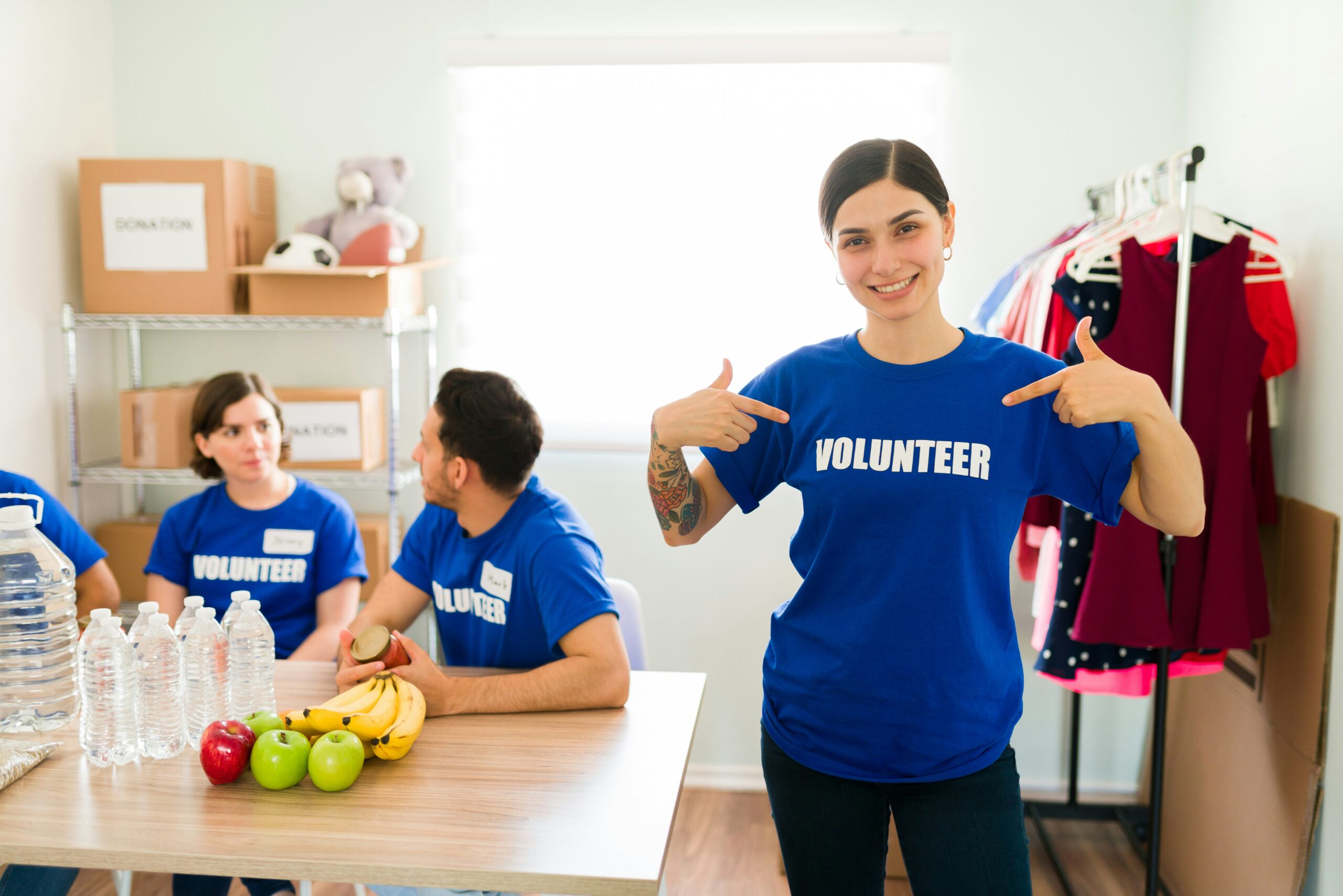
Volunteering does more than help others. It also strengthens your body and keeps you active in simple ways. Many people do not realize that daily movements during volunteer work can improve fitness and energy levels. Community-driven wellness benefits, you begin to see how helping others can support your own physical health.
People often search for ways to stay active without going to the gym. Volunteering offers a natural and enjoyable option. It keeps your body moving while giving you a strong sense of purpose. Because of this, understanding how volunteering helps you stay physically healthy can change the way you approach fitness and daily activity.
Staying Active Through Meaningful Movement
Volunteering often involves physical tasks that keep your body moving. For example, activities like organizing events, cleaning parks, or helping at food banks require walking, lifting, and standing. These movements may seem small, yet they add up over time. As a result, your body stays active without the pressure of structured workouts.
Moreover, these movements feel purposeful. Instead of exercising just for fitness, you move to support a cause. This makes physical activity more enjoyable and easier to maintain. When people feel connected to their actions, they stay consistent. Therefore, volunteering becomes a natural way to stay physically engaged every day.
Improving Heart Health and Endurance
Volunteering can powerfully support heart health. Many volunteer roles involve moderate physical activity, such as walking or carrying items. These actions help improve circulation and strengthen the heart. Over time, this can lower the risk of heart-related issues and improve endurance.
In addition, regular movement during volunteering helps maintain a healthy weight. It also helps improve blood pressure. Because these benefits build gradually, people often feel stronger and more energetic. This shows how volunteering helps you stay physically healthy while protecting your long-term well-being.
Reducing Stress That Impacts Physical Health
Stress affects the body in many ways. It can lead to fatigue, muscle tension, and even illness. However, volunteering helps reduce stress by shifting your focus toward helping others. When you feel useful and connected, your stress levels drop naturally.
At the same time, lower stress improves physical health. Your body can rest, recover, and function better. This leads to improved sleep and stronger immunity. As a result, volunteering creates a cycle where emotional relief supports physical strength and energy.
Boosting Energy Levels Naturally
Many people feel tired due to inactivity or lack of purpose. Volunteering adds movement and meaning to your day. Even simple tasks can boost energy levels by keeping your body engaged. Over time, you begin to feel more awake and motivated.
Furthermore, helping others releases positive feelings in the brain. These feelings increase energy and reduce fatigue. As a result, people who volunteer often report feeling more alive and active. This makes volunteering a powerful tool for improving daily energy without relying on artificial methods.
Supporting Strong Muscles and Mobility
Physical tasks during volunteering can help strengthen muscles. Whether you lift supplies, arrange materials, or walk for long periods, your body adapts and grows stronger. These actions also improve flexibility and coordination.
In addition, staying active helps prevent stiffness and joint pain. As people age, movement becomes even more important. Volunteering provides a safe and enjoyable way to maintain mobility. Therefore, it plays a key role in keeping your body strong and capable over time.
Encouraging Consistent Healthy Habits
Consistency matters for physical health. Many people struggle to maintain regular exercise routines. However, volunteering creates a schedule that encourages steady activity. When you commit to helping others, you also commit to moving your body regularly.
This routine builds healthy habits over time. You begin to look forward to your volunteer work, which keeps you active without effort. Additionally, the social aspect of volunteering adds motivation. Being part of a group encourages you to show up and stay engaged.
Enhancing Immune System Function
Physical activity supports a strong immune system. When you move regularly, your body can fight off illness more effectively. Volunteering helps you stay active in a balanced way. It also reduces stress, which plays a major role in immune health.
Moreover, interacting with others during volunteer work exposes your body to different environments. This can help strengthen your immune response over time. As a result, you may experience fewer illnesses and recover faster when you do get sick.
Creating a Positive Mind-Body Connection
Volunteering in a healthy way connects your mind and body. When you help others, you feel fulfilled and motivated. This mental satisfaction encourages physical activity. In turn, your body responds with increased energy and strength.
Additionally, this connection helps you stay aware of your health. You begin to notice how movement affects your mood and well-being. Because of this awareness, you make better choices for your body. This reinforces the idea that volunteering helps you stay physically healthy holistically.
Building Long-Term Physical Resilience
Consistent activity builds resilience in the body. Volunteering supports this by providing regular opportunities for movement. These activities strengthen muscles, improve endurance, and support overall health.
Resilience helps you handle daily physical demands with ease. You feel stronger, more capable, and less prone to injury. This shows that volunteering not only supports short-term fitness but also builds long-term physical strength and stability.
Making Fitness Feel Effortless and Enjoyable
Traditional exercise can feel like a chore for many people. However, volunteering turns movement into a meaningful experience. Instead of focusing on workouts, you focus on helping others. This shift makes physical activity feel natural and enjoyable.
As a result, you stay active without thinking about it. This reduces burnout and increases long-term commitment. When fitness feels effortless, it becomes part of your lifestyle. Therefore, volunteering offers a unique way to stay healthy without pressure.