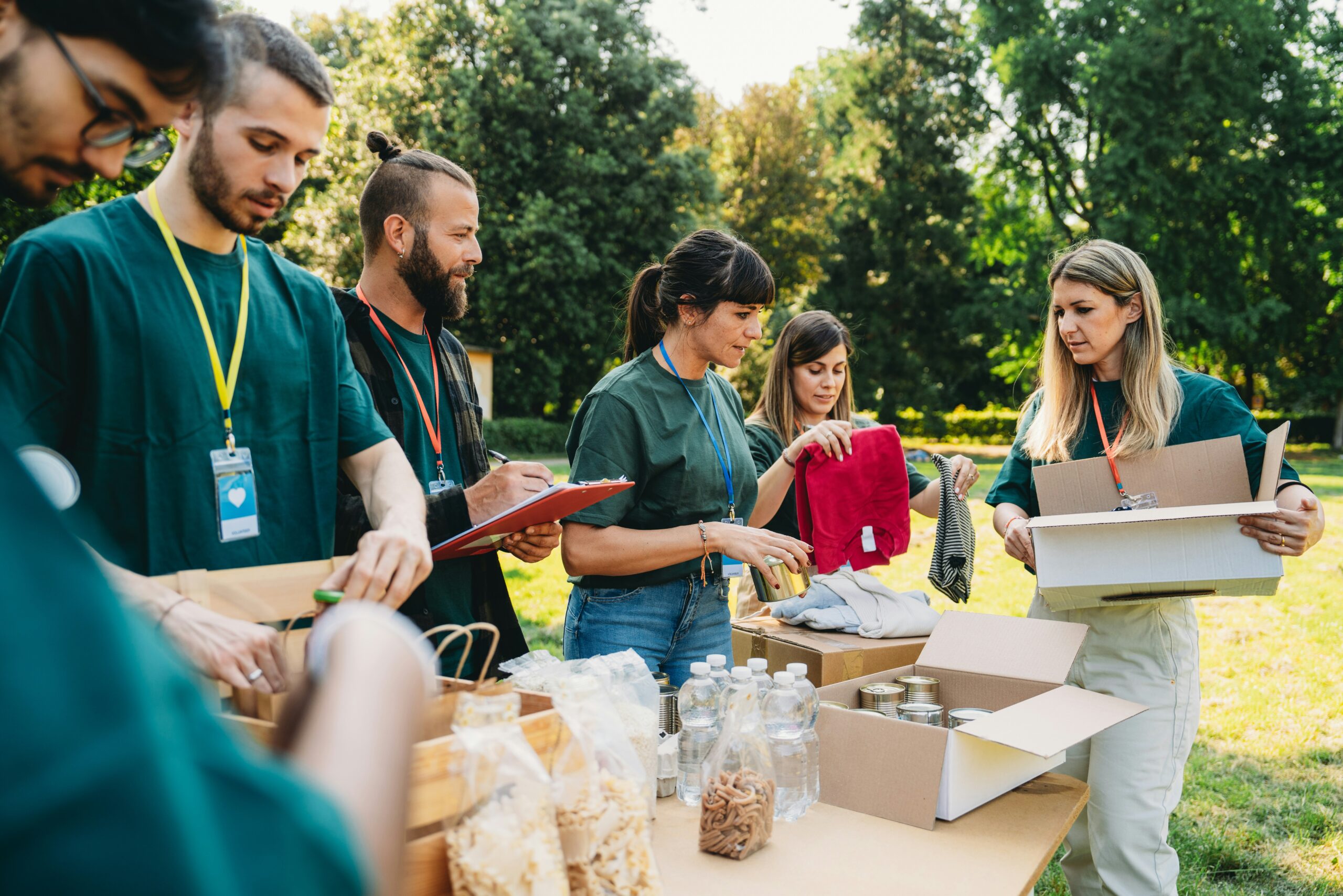
Every neighborhood thrives when individuals step forward and take initiative. Community service plays a vital role in building stronger, more connected environments. It empowers people to create positive change right where they live. Through service, individuals contribute to the collective well-being of their neighbors and local institutions, forming bonds that last far beyond a single act of kindness.
The heart of any strong community lies in shared responsibility. When people join together to improve their surroundings, they feel more connected to each other. Whether organizing clean-up days, mentoring local youth, or supporting food drives, the benefits of community service reach far beyond the tasks themselves. These efforts bring people together, fostering relationships built on empathy and mutual support.
Boosting Local Resources and Support Networks
When citizens actively participate in their communities, they strengthen local resources that help everyone. Nonprofits, schools, libraries, and shelters often rely on volunteers to meet growing demands. By stepping in, community members fill gaps and extend the reach of these services. This kind of involvement doesn’t just support vulnerable groups; it uplifts the entire population by making services more accessible and impactful.
Volunteers often bring new ideas and energy into the organizations they serve. Their diverse backgrounds and skill sets help improve programs and make services more efficient. This kind of dynamic participation not only solves immediate problems but also inspires long-term improvements. A community with robust support networks feels more resilient and better prepared to meet challenges.
Empowering Personal Growth and Responsibility
Serving others can profoundly shape the lives of those who volunteer. It offers individuals opportunities to develop essential life skills such as communication, teamwork, and problem-solving. For many young people, volunteering can even provide career direction, offering insight into fields such as education, health care, or public service. As people take ownership of community issues, they begin to see themselves as part of the solution.
Community service also instills a strong sense of personal responsibility. Volunteers often report feeling more invested in their neighborhoods and more determined to be agents of change. This transformation doesn’t happen in isolation. As individuals grow, their positive impact radiates outward, influencing others to become more engaged and compassionate.
Improving Community Health and Safety
A more engaged population leads to a healthier and safer environment. Community service activities often target essential areas such as public health, safety, and cleanliness. By addressing these concerns directly, residents improve the quality of life for everyone. Initiatives such as neighborhood watch programs, substance abuse outreach, and mental health awareness campaigns provide practical support while fostering lasting cultural shifts.
When residents take part in improving their neighborhoods, they also reduce the likelihood of crime and neglect. A well-cared-for area signals pride and vigilance, discouraging harmful behavior. The importance of giving back becomes even clearer as people see visible improvements and feel safer in their surroundings. This momentum can carry forward into more ambitious projects and deeper levels of civic engagement.
Fostering Inclusion and Social Equity
One of the most potent aspects of community service lies in its ability to bridge social divides. When people work side by side, they learn about each other’s backgrounds, cultures, and perspectives. These shared experiences help break down stereotypes and build respect across lines of difference. The simple act of helping others becomes a catalyst for understanding and inclusion.
Marginalized groups often benefit significantly when the wider community becomes more involved. Initiatives that prioritize accessibility, housing support, or language education can have a transformative impact. However, these efforts only succeed when the community commits to fairness and equity. Through continued engagement, residents can create systems that serve everyone more justly and compassionately.
Strengthening Civic Engagement and Leadership
Participating in community service often opens the door to deeper civic involvement. Many volunteers go on to join local boards, advocate for policy changes, or run for public office. This pathway from service to leadership strengthens democracy at the grassroots level. As more people gain experience in serving their communities, they become more confident in using their voices for change.
Community service builds essential habits of participation. It teaches people to pay attention to issues that affect their neighbors and to take action when needed. Over time, these habits develop into a sense of ownership over local government and institutions. An involved population keeps decision-makers accountable and ensures that the needs of all residents are heard and addressed.
Creating a Culture of Compassion and Contribution
When service becomes a regular part of community life, it influences culture in lasting ways. Children grow up seeing adults volunteer and feel inspired to do the same. Businesses start offering their employees paid time off for service projects. Schools reward civic responsibility as much as academic success. These small shifts shape a society that values empathy, cooperation, and collective progress.
In such an environment, people begin to recognize their power to influence the world around them. They understand that no act of kindness is too small and that change often starts with just one person. The community evolves from a collection of individuals into a thriving network of allies and advocates. This shared commitment builds not only a better neighborhood but a better future.
Laying the Foundation for Lasting Change
The long-term effects of community service ripple through generations. Programs established today can continue to serve people years down the line. More importantly, they plant the seeds of a service mindset in the next wave of community leaders. With every event organized and every neighbor helped, the foundation of a resilient, caring society becomes stronger.
It’s not just about solving problems in the present. Community service prepares people to meet future challenges with confidence and unity. It builds habits, relationships, and institutions that stand the test of time. The legacy of service doesn’t fade; it grows. As each person does their part, they help shape a legacy that will inspire others to do the same.