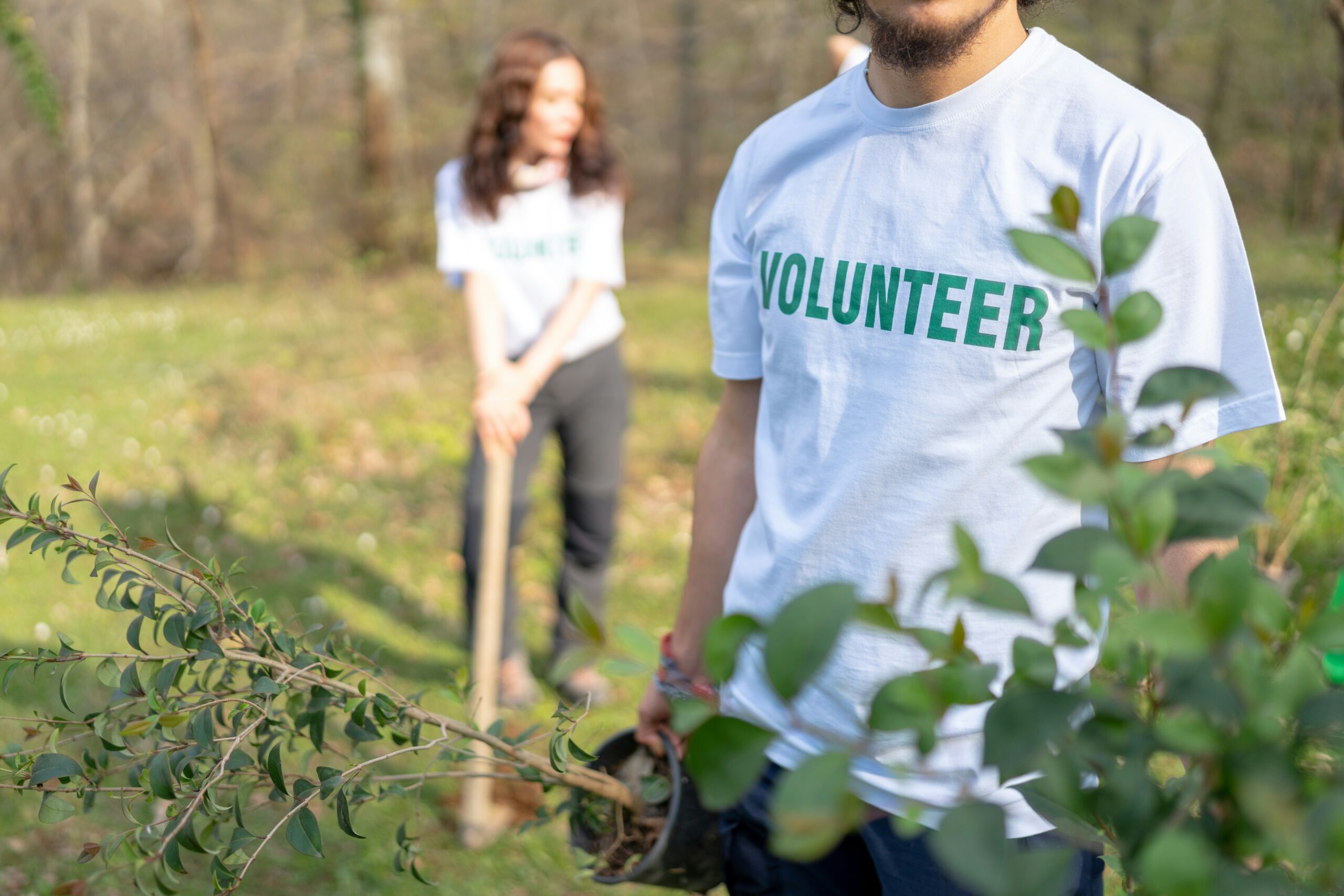
Many people struggle with low mood, stress, and feelings of sadness. Depression can make daily life feel heavy and slow. While therapy and medical care are important, simple life actions can also help. One powerful and often overlooked action is volunteering. This article explains how volunteering combats depression and why helping others can improve mental health in real and lasting ways.
Understanding Depression in Daily Life
Depression is more than feeling sad for a day or two. It often includes low energy, poor sleep, loss of interest, and feelings of worthlessness. Many people also feel alone, even when surrounded by others. These feelings can make it hard to take action or ask for help.
Depression can create a cycle. Low mood leads to less activity. Less activity leads to more isolation. This isolation can deepen sadness. Breaking this cycle is key to healing. Volunteering is one way to interrupt it in a gentle and meaningful way.
How Volunteering Combats Depression Through Purpose
One reason how volunteering combats depression is by restoring a sense of purpose. Depression often makes people feel useless or disconnected from life. Volunteering gives clear roles and simple goals.
When you volunteer, your actions matter. You show up. You help. You see results. This sense of purpose can lift mood and improve motivation. Even small tasks can create a feeling of value and direction.
Purpose does not need to be grand. Helping at a food bank, reading to children, or cleaning a park all provide meaning. Meaning helps people feel grounded and needed.
Volunteering Creates Social Connection
Depression often brings isolation. People may withdraw from friends and family. Volunteering helps rebuild connection in a natural way.
Volunteering places people in shared spaces with shared goals. Conversation happens without pressure. Bonds form slowly and safely. These connections reduce loneliness and increase trust.
Social contact during volunteering feels different from forced social events. There is less focus on personal problems. Attention shifts to the task and the people being helped. This can feel calming and supportive.
Physical Activity and Routine Support Mental Health
Another way how volunteering combats depression is through movement and routine. Many volunteer roles involve light physical activity. Walking, lifting, organizing, or standing can all help the body stay active.
Physical activity supports brain health. It helps release chemicals that improve mood. Even gentle movement can reduce stress and improve sleep.
Volunteering also adds structure to the week. Depression often disrupts daily routines. Scheduled volunteer time creates something to look forward to. It encourages regular sleep and planning.
Routine brings stability. Stability supports healing.
Helping Others Shifts Focus Away From Pain
Depression often pulls attention inward. People may focus on worries, regrets, or negative thoughts. Volunteering shifts attention outward.
When helping others, the mind focuses on the needs of someone else. This break from self focused thinking can reduce emotional pain. It does not erase problems, but it creates mental space.
Helping others also builds empathy. Empathy strengthens emotional balance. It reminds people they are part of a larger world.
This outward focus is one reason how volunteering combats depression so effectively.
Building Confidence Through Small Wins
Depression can damage confidence. People may doubt their skills or feel incapable. Volunteering allows for small successes.
Completing tasks builds confidence step by step. Each positive experience challenges negative beliefs. Over time, confidence grows.
Volunteer roles often include guidance and teamwork. This support reduces fear of failure. People can learn new skills in a safe setting.
Confidence gained through volunteering can transfer to other areas of life. It can improve work, relationships, and self care.
Volunteering Supports Emotional Growth
Volunteering exposes people to different life stories. This exposure builds perspective. Perspective helps reduce feelings of hopelessness.
Seeing others overcome challenges can inspire strength. It reminds people that struggle is part of life, not a personal failure.
Emotional growth happens through shared human experience. Volunteering offers this experience in a healthy and respectful way.
This emotional growth is another key reason how volunteering combats depression over time.
Choosing the Right Volunteer Opportunity
Not all volunteer roles feel the same. Choosing the right one matters. Start with something manageable.
Consider interests and energy levels. Some people prefer quiet roles. Others enjoy group settings. Both are valid.
Short shifts are often best at first. Gradual involvement prevents burnout. The goal is support, not pressure.
Volunteering should feel meaningful, not draining. When it fits well, benefits are stronger and more lasting.
Volunteering as Part of a Larger Healing Plan
Volunteering is not a cure for depression. It works best as part of a broader care plan. Therapy, medical support, and lifestyle changes still matter.
However, volunteering adds something unique. It combines purpose, connection, and action. These elements support emotional health in ways that feel natural.
Many mental health professionals recognize how volunteering combats depression when used alongside other treatments. It offers hope through action.
Final Thoughts on Volunteering and Mental Health
Depression can make life feel small and empty. Volunteering opens space for meaning and connection. It helps people feel useful, seen, and valued.
By creating purpose, social ties, routine, and confidence, volunteering supports healing. It reminds people they are capable of making a difference.
Understanding how volunteering combats depression can empower individuals to take a small but powerful step toward better mental health. Even one hour of helping can change the direction of a day, and sometimes, a life.