Civic engagement and service learning are becoming essential parts of modern education and community life. People want to feel connected and make meaningful contributions to the world around them. As a result, schools, colleges, and local organizations are finding new ways to bring people together through hands-on activities that matter. These experiences not only support local needs but also help individuals grow into confident, thoughtful, and active members of society.
In this article, we will explore why civic engagement matters, how service learning strengthens personal and academic growth, and why these experiences play such a decisive role in building healthier communities. Along the way, we will look at real examples and practical insights that show how easy it can be to get involved.
Understanding Civic Engagement in Everyday Life
Civic engagement refers to the actions people take to improve their communities. Although many assume it involves political involvement, it actually includes a wide range of activities. People volunteer at shelters, attend community meetings, organize local events, and support neighborhood improvement projects. When individuals work together, they begin to understand the needs of the people around them. They also learn how their actions can create positive change.
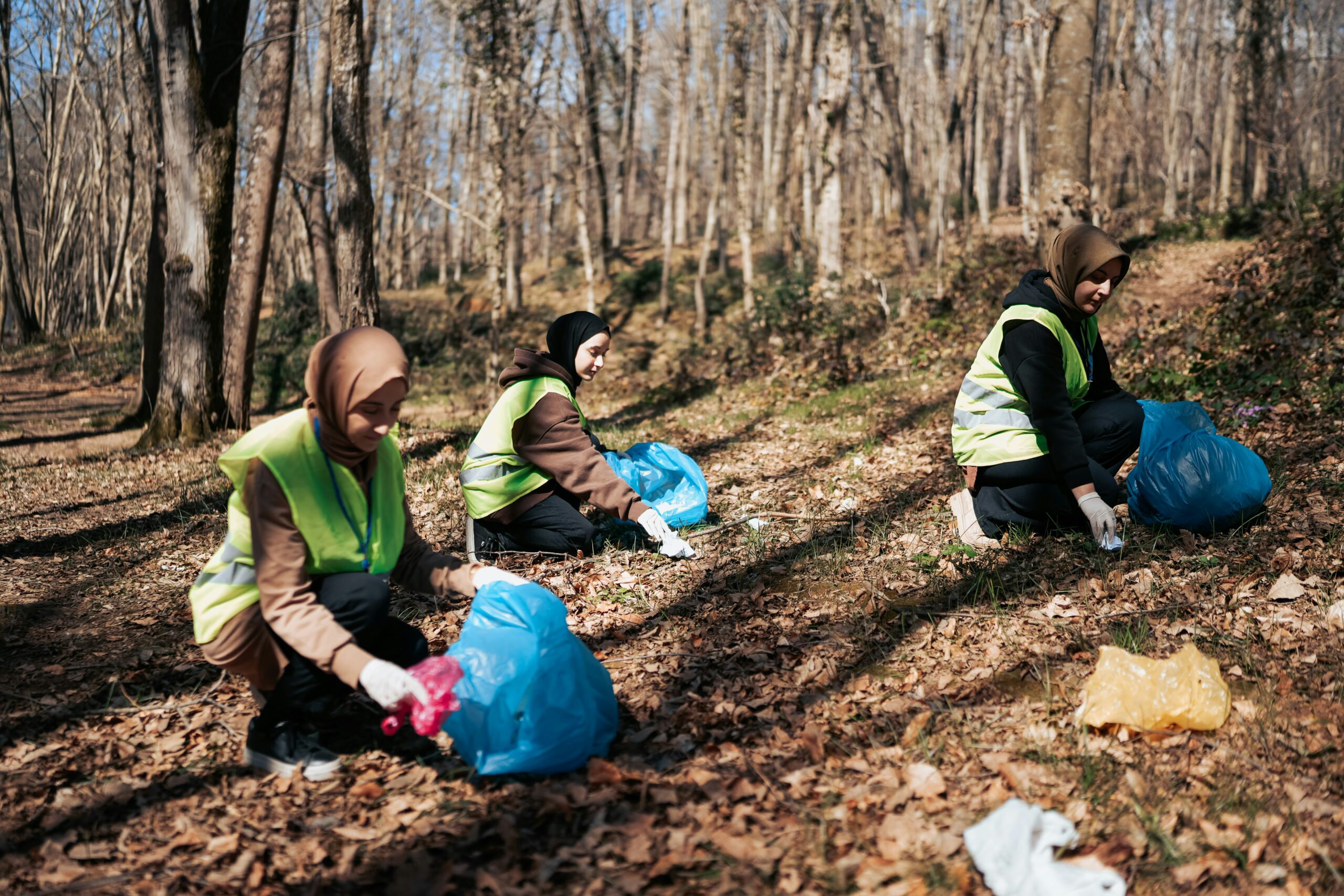
For example, a group of neighbors might decide to clean up a local park. They pick up litter, paint benches, and plant flowers. As they work, they talk and get to know each other. At the end of the day, they leave the park better than they found it. That simple experience helps build trust and unity. It also gives everyone a sense of pride.
How Service Learning Connects Education With Real Life
Service learning blends civic engagement with structured learning. Students apply what they learn in the classroom to real-world situations. This approach makes learning feel more useful and helps students understand why their skills matter. Teachers often design projects that relate directly to what the class is studying. As a result, students develop stronger problem-solving skills while also supporting their communities.
Imagine a science class studying ecosystems. Instead of only reading textbooks, the teacher asks students to help restore a nearby nature trail. Students identify plants, test soil, remove harmful waste, and create signs that teach visitors about the local habitat. While the class learns new scientific concepts, it also makes a lasting impact on the environment.
Why These Experiences Matter for Students
Students gain real benefits from participating in service learning or civic engagement. First, they develop practical skills that help them later in life. They learn how to communicate clearly, manage time well, and work effectively on teams. They also gain leadership experience that boosts confidence.
Second, service projects help students build empathy. When they interact with people from different backgrounds, they begin to understand challenges they may not face themselves. This perspective encourages compassion and respect, leading to greater social awareness.
Finally, these experiences help students connect education with purpose. They no longer see assignments as tasks they must complete. Instead, they understand that learning has real value. This shift often increases motivation, because students want to contribute to something meaningful.
How Civic Involvement Strengthens Communities
Communities become stronger when more people participate. Civic engagement encourages people to work together and build solutions from within. When residents get involved, they create safer neighborhoods, healthier environments, and more supportive relationships.
For example, a small town might struggle with food insecurity. Local volunteers may start a community garden. Families learn how to grow fresh produce, and children help plant seeds and water the soil. Over time, the garden becomes a place where neighbors gather, share stories, and support one another. This simple project can reduce stress, improve nutrition, and bring people closer together.
The Lasting Benefits for Adults
Although many service learning programs focus on students, adults also gain a great deal from civic engagement. Adults who volunteer often report feeling happier and more connected. They enjoy meeting new people and learning new skills. These activities also reduce stress and help people feel more balanced.
Parents who volunteer alongside their children often grow closer as a family. They model responsibility and kindness, and they also learn more about the issues their communities face. As a result, families become more engaged and more aware of the world around them.
Ways to Get Involved Without Feeling Overwhelmed
Many people want to participate in community projects but feel unsure where to begin. Fortunately, there are approachable and straightforward ways to get involved. Start with something that matches your interests or skills. If you enjoy working outdoors, join a cleanup event. If you prefer creative activities, you could help paint a mural or support a school art program.
It also helps to start small. Even one hour a month makes a difference. Over time, you may discover new passions or meet people who inspire you to explore bigger opportunities. The goal is not to do everything. Instead, take one step that feels manageable and meaningful.
How Schools and Communities Can Support These Programs
Strong support systems help civic engagement and service learning programs grow. Schools can encourage teachers to connect lessons with community needs. They can also build partnerships with nonprofits and local leaders. When students see that adults take community involvement seriously, they feel more motivated to participate.
Communities can also make it easier for people to join service activities. Posting volunteer opportunities in public spaces, offering flexible schedules, and creating family-friendly events help more people get involved. When everyone works together, service becomes a natural and accessible part of daily life.
Building a Future of Active and Caring Citizens
Civic engagement and service learning play a decisive role in shaping compassionate and thoughtful communities. When people learn through real experiences, they become more confident and more aware of the needs around them. They also form stronger relationships and develop skills that last a lifetime.
As society grows more connected, these programs will continue to help people make meaningful contributions. Whether you are a student, a parent, a teacher, or a community member, you have something valuable to offer. When you take part in service activities, you help build a future where everyone feels included and supported.